Heart patients, women at higher risk; doctor shares prevention tips- Expert Tal...See More
May 21, 2026
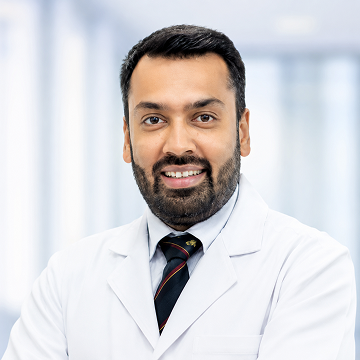
Dr. Pawan Kumar Chajed is a Bengaluru-based UK-trained orthopaedic surgeon specializing in arthroscopy, sports injuries, and joint preservation.
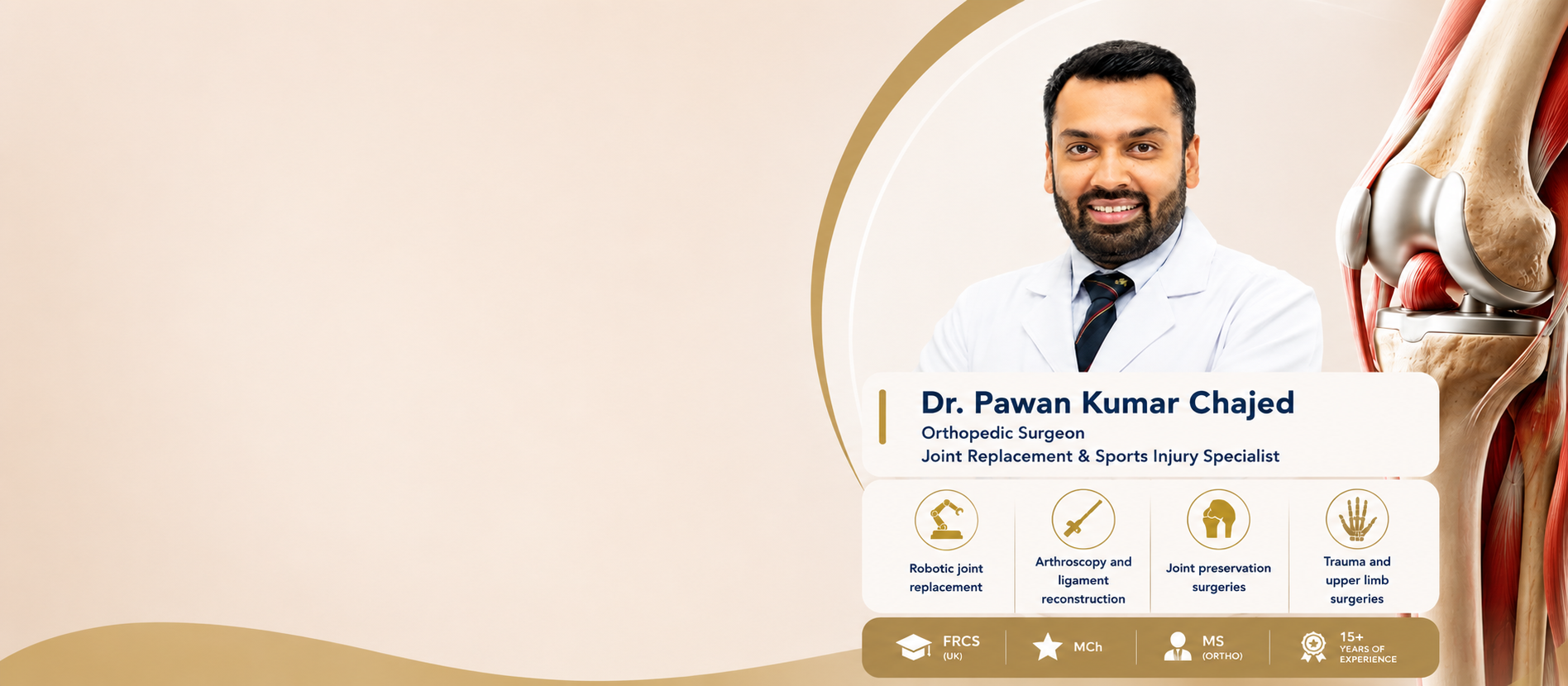
Dr. Pawan Kumar Chajed is an Orthopaedic, Joint Replacement and Sports Medicine Surgeon with expertise in the diagnosis and treatment of knee, hip, and sports-related conditions. He specializes in advanced joint preservation, arthroscopic procedures, ligament reconstruction, robotic joint replacement, and trauma surgery, helping patients regain mobility and return to an active lifestyle.
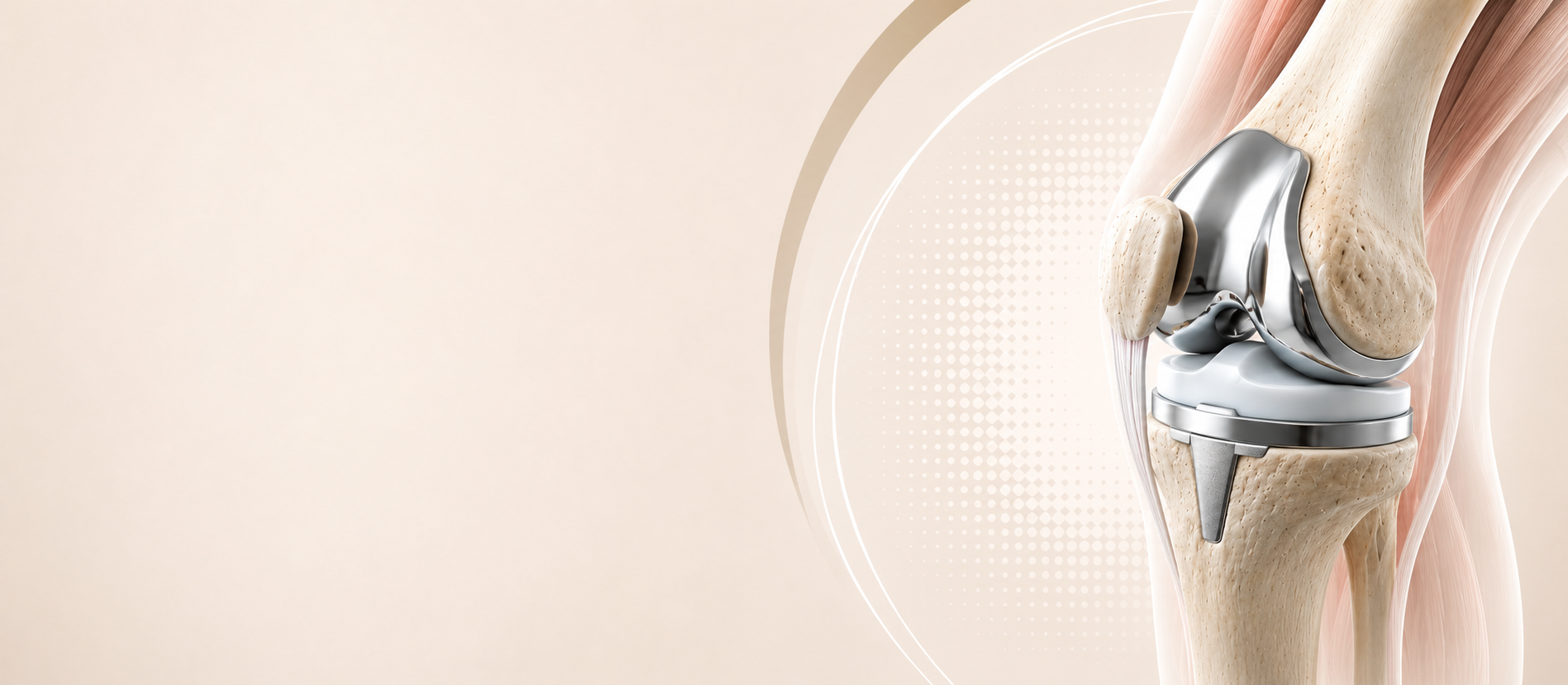
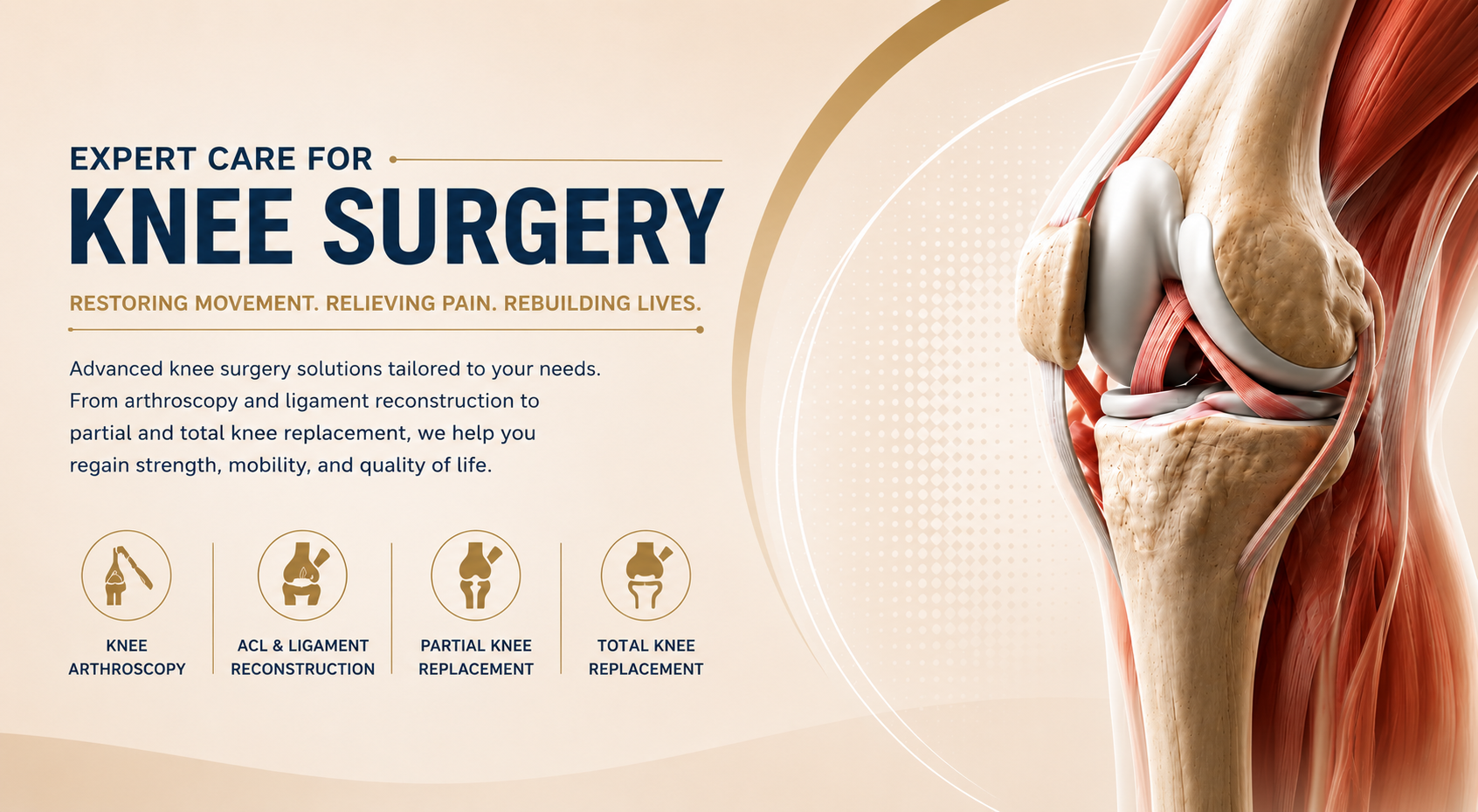
Expert knee surgery services, including knee arthroscopy, ACL reconstruction, and total knee replacement, for improved mobility and long-term joint health.
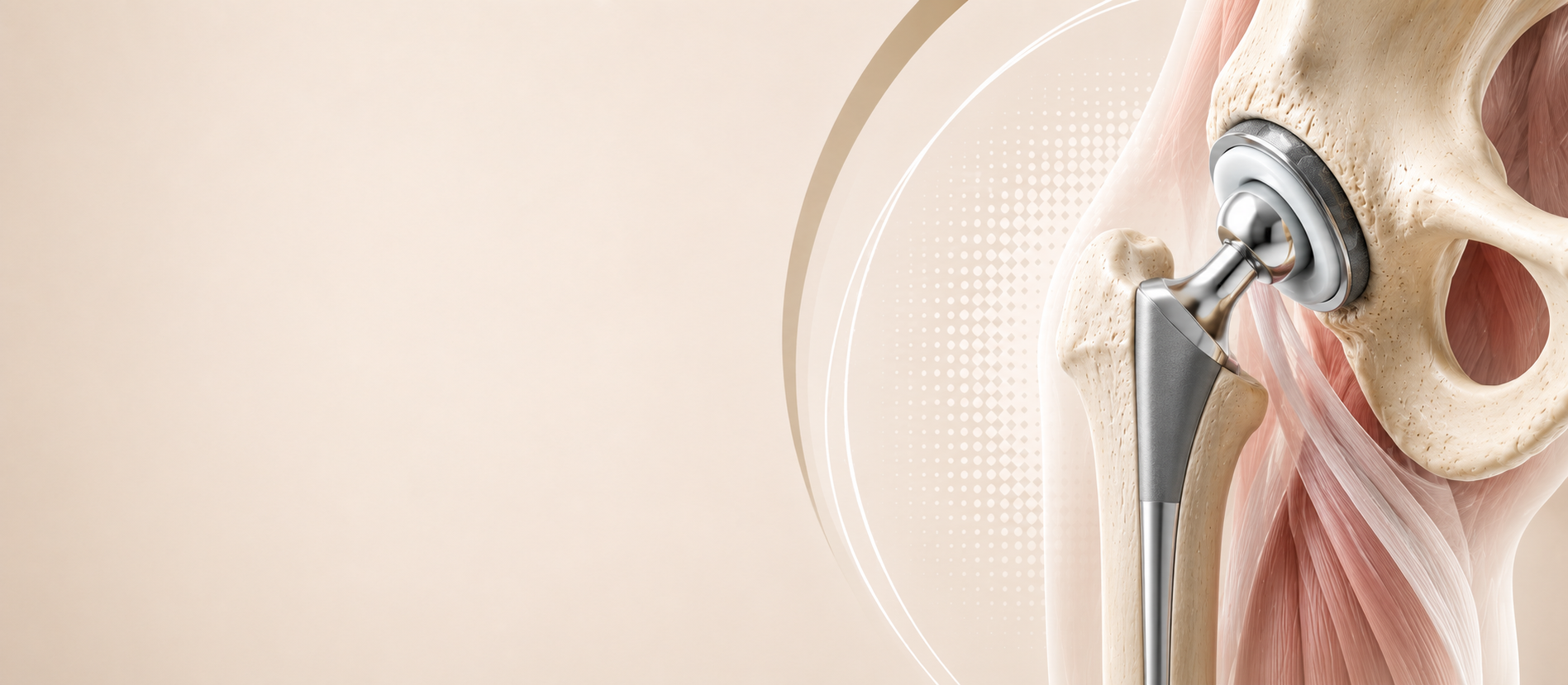
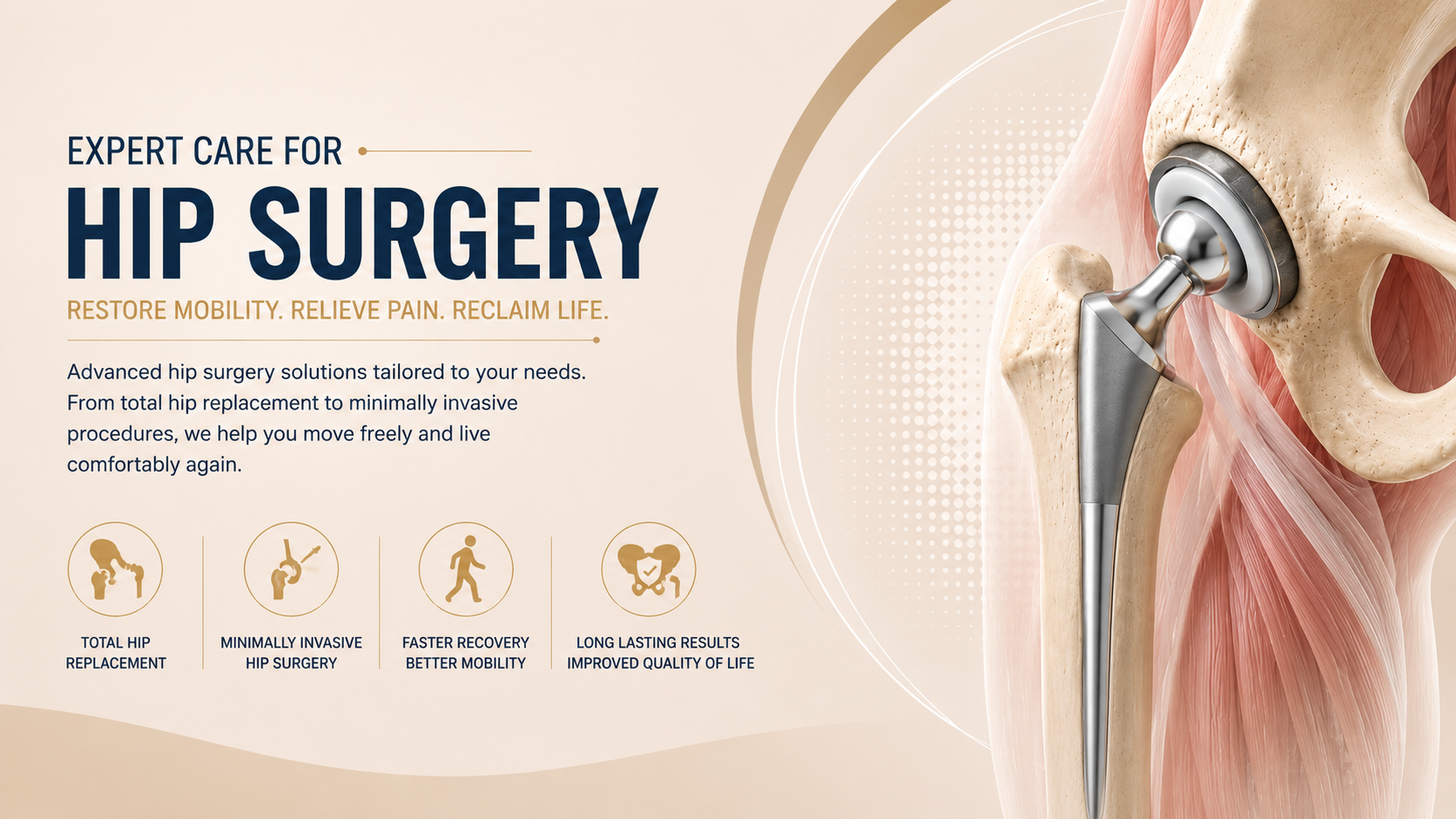
Expert care for hip arthritis, injuries, and complex hip disorders using modern surgical techniques.
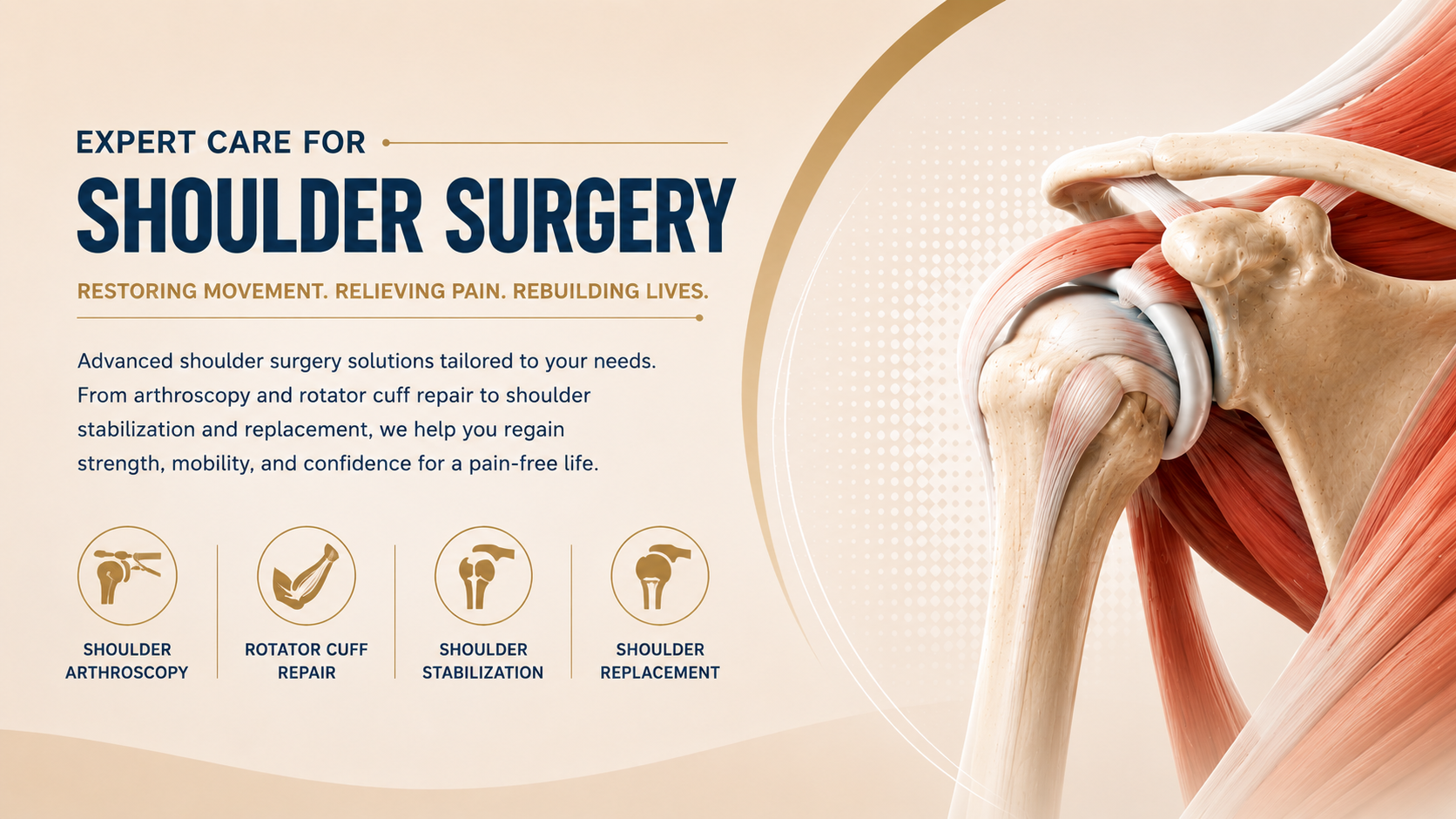
Expert care for shoulder arthritis, rotator cuff injuries, instability, fractures, and complex shoulder disorders using advanced surgical techniques.
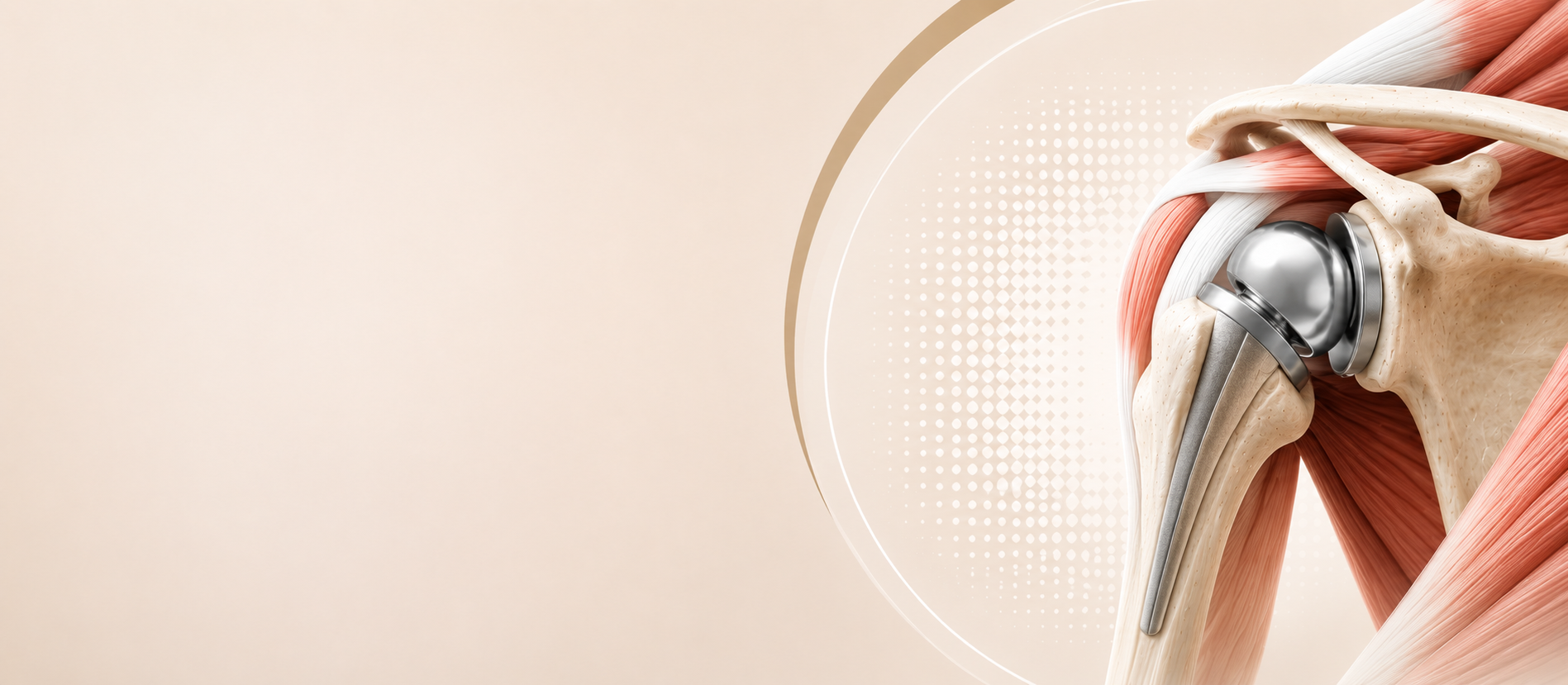
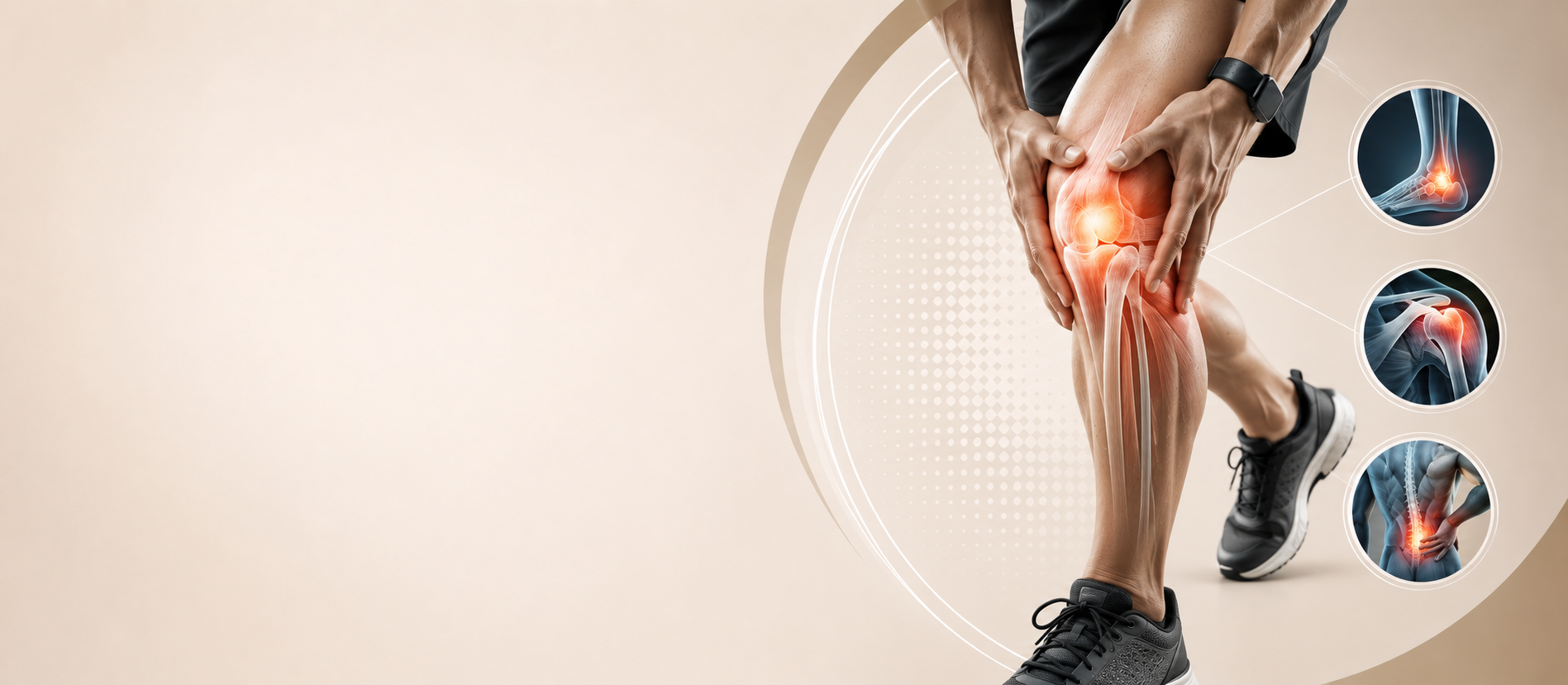
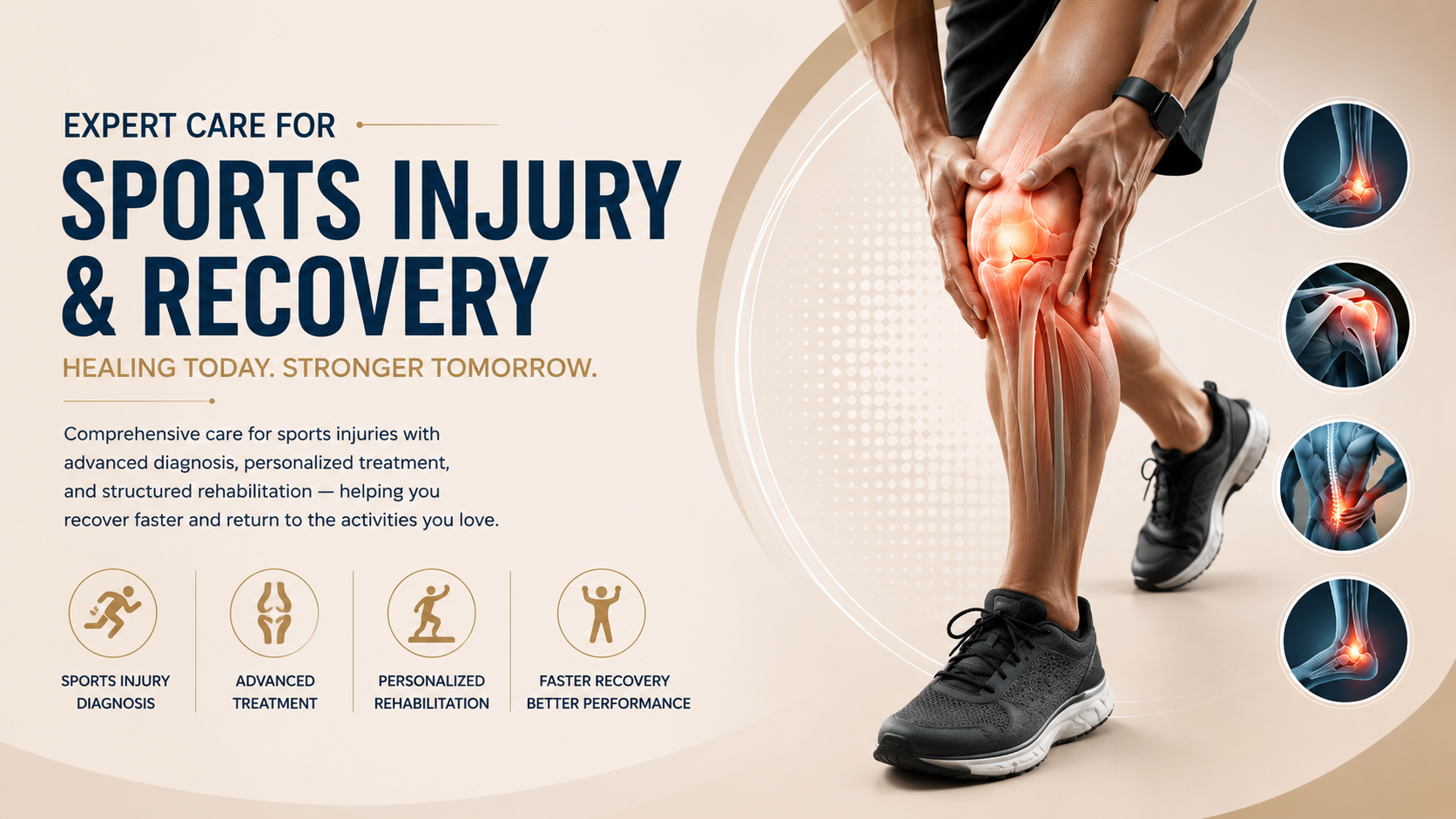
Specialized surgical care for ligament, cartilage, tendon, and joint injuries to restore strength, stability, and performance.
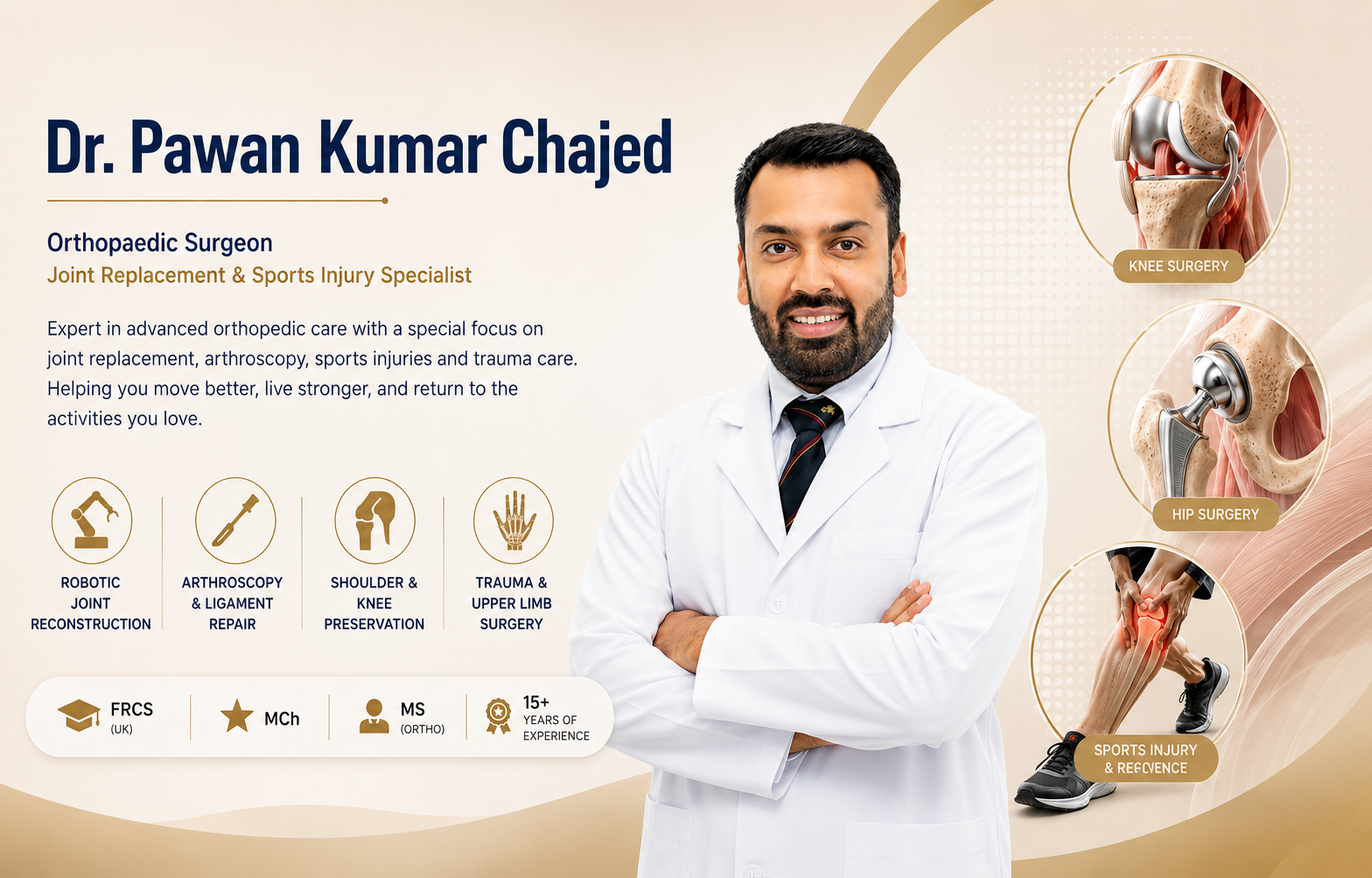
A Message from Dr. Pawan Kumar Chajed
Years of Experience and Expertise
Successful Sports Injury Recoveries
Positive and Happy Reviews
Happy Patients
Comprehensive Orthopaedic Solutions Focused on Mobility, Performance, and Long-Term Joint Health
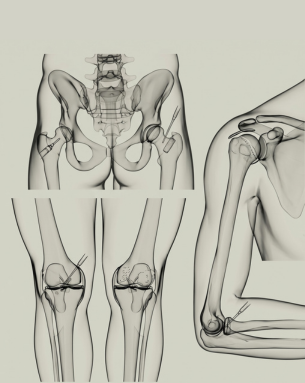
Stay informed with our latest updates, posts, announcements, and healthcare news
Heart patients, women at higher risk; doctor shares prevention tips- Expert Tal...See More
May 21, 2026
Orthopedic Surgeon and Joint Replacement & Sports Injury Specialist
What our Patients says about us
First of all would like to thank Dr. Pawan for his excellent and timely treatment for a critical left knee tibia plateau fracture which I was suffering with. He was exceptional in his services and also with his communication on all stages of my treatment. This was the first time i was admitted to a hospital and his frank assessment and assuring guidance calmed me throughout the treatment procedure. He motivated and also made sure that I recover as quickly as possible. It has been 3 months of my surgery and currently I can walk and do all my daily activities without any issues. He made sure to talk to me so that I am in the right frame of mind throughout my recovery stages. My heart is filled with gratitude towards him and can't thank him enough to bring me back on my feet. Thank you. Kumar Roshan

My dad had met with an accident and he had a fractured shoulder and hip. Operation was advised and I got in touch with Dr pawan kumar chajed. I was impressed with his experience for this particular medical emergency we were facing. After meeting Dr pawan he made us understand what has to be done and why is the operation necessary and what are the plus and minus points. More importantly he gave us the assurance of how it will be all ok and is the best that should be done. Dr pawan did the operation and my dad underwent a fracture fixation operation for hip and shoulder. The operation went well , dad started recovering well and now he is back to normal life. Dr pawan kumar chajed was very professional and is very good in what he specialises in. I was very impressed in how he made us feel absolutely fine in all this chaos situation. Thank you. Anyone looking for orthopaedic operations and treatment you can contact Dr pawan kumar chajed without any fear.
Excellent doctor with a good knowledge on the orthopaedics .
Dr. Pavan performed a complex knee surgery on my mother, and the entire experience was remarkably smooth from start to finish. His surgical expertise gave us great confidence, and the procedure went exceptionally well. What truly sets Dr. Pavan apart is not just his medical skill, but his warmth and personal care. During such a critical and stressful time for our family, he went above and beyond — supporting us personally and making sure we never felt alone through the process. It is rare to find a doctor who combines such high professional competence with genuine human kindness. Even after the procedure, he remains incredibly accessible. Whenever we had doubts or concerns, he always answered our calls patiently and explained everything clearly without making us feel rushed. I have rarely come across a doctor as friendly, dedicated, and compassionate as Dr. Pavan. I wholeheartedly recommend him to anyone seeking an orthopedic surgeon who truly cares about his patients and their families.
I underwent ACL reconstruction surgery with Dr. Pawan around two months ago, and I’m extremely happy with my recovery journey so far. From the very first consultation, he explained every detail about the injury, the procedure, recovery timeline, and what to expect after surgery, which gave me a lot of clarity and confidence before going ahead with the operation. The surgery was handled exceptionally well, and I truly appreciate the care and precision with which everything was done. One of the best things about Dr. Pawan is his availability and support even after the surgery. Whether through a text message or a call, he is always approachable and ready to guide or clarify any concern, which gives immense reassurance during recovery. Recovering from ACL surgery can be physically and mentally challenging, but having a doctor who is supportive, patient, and genuinely caring makes a huge difference. I’m grateful for the guidance and treatment I received throughout this process. Without a doubt, Dr. Pawan is one of the best orthopedic doctors in Bangalore. Highly recommended for anyone looking for ACL reconstruction or orthopedic treatment.
Highly highly recommend. One of the best and extremely patient . Did my ACL and a complex meniscus reconstruction surgery with Dr. Pawan and I'm in such great shape now. I have been consulting him for over 4 years and he only recommends what is utmost necessary!!
I had consulted multiple doctors before finally choosing Dr. Pavan for my ACL reconstruction surgery, and I’m genuinely so glad I did. From the very first consultation, he stood out because of how patiently and thoroughly he explained everything to me. I’m naturally a very curious person and tend to ask a lot of questions, which many doctors usually dismiss or rush through — but he never did. Instead, he encouraged my questions and even took the time to explain my MRI scans in detail so I could truly understand what was happening. He even showed me what was happening in my knee in the OT! Such a cool experience! He genuinely goes the extra mile and im really grateful for the care i received
One of the excellent Orthopedic surgeon I have come across. Very happy being treated by him .he was life saver giving me the best medical advise and treatment which had relieved my knee pain and slip disc.I have even recommended him to my family and friends and referred him to them .If ever in future I need to be treated will get it by Dr Pawan only .Due to him I was able to play badminton again .
My wife underwent left ACL reconstruction surgery with Dr. Pawan and we had a very positive experience. Doctor explained the injury, surgery process, and recovery plan clearly and patiently. The surgery went smoothly, and post-operative care was excellent. My wife is recovering well and feeling much better now. We truly appreciate the doctor’s professionalism, support, and care throughout the journey. Highly recommended for orthopedic and ligament-related treatments.
At outset want to thank God for Dr Pawan K Chajed and am truly glad to share my experience, because today I am completely relieved of the pain that once made life unbearable. There were days and nights when my family and I felt lost—when I woke up unable to lift my left leg, forget walking, even moving it side to side was impossible. I was admitted to a couple of hospitals, but all I received was pain management through medication. Despite MRIs and other tests, nothing gave me restful sleep or lasting relief. Then I came to Sparsh and met Dr. Pawan, who was truly a blessing. Along with his associates, he decided to confront the pain head-on. The condition was properly diagnosed, and the right treatment was given. Within just a day and a half, I was able to sleep peacefully again. What I admire most about Dr. Pawan is his combination of analytical skill and empathy. He gave me confidence that everything was under control and reminded me never to lose hope. Thanks to Dr. Pawan and his team, I am not only sleeping well today—I am driving, back at work, and confident that I will soon be walking without crutches and returning fully to normal life.k
Explore our gallery of images and moments
Need Answers? Find them here...
An orthopaedic and sports medicine specialist treats a wide range of musculoskeletal conditions affecting bones, joints, ligaments, tendons, and muscles. Common conditions include ACL and PCL injuries, meniscus tears, rotator cuff injuries, shoulder instability, ligament injuries, sports trauma, fractures, arthritis, cartilage damage, and joint degeneration. Advanced treatment options such as arthroscopy, ligament reconstruction, robotic-assisted knee replacement, and rehabilitation programs are used to restore mobility, relieve pain, and improve long-term joint function.
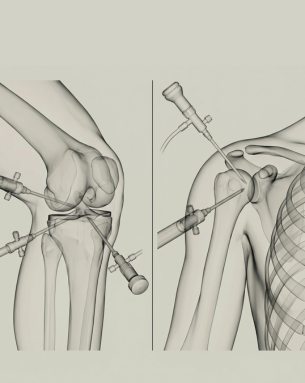
Knee arthroscopy is a minimally invasive surgical procedure used to diagnose and treat knee joint conditions through small incisions using a specialized camera. It is commonly recommended for meniscus injuries, ACL tears, cartilage damage, ligament injuries, persistent knee pain, and sports-related trauma. Arthroscopic surgery offers advantages such as smaller incisions, reduced pain, quicker recovery, minimal tissue damage, and faster return to sports and daily activities compared to conventional open surgery.
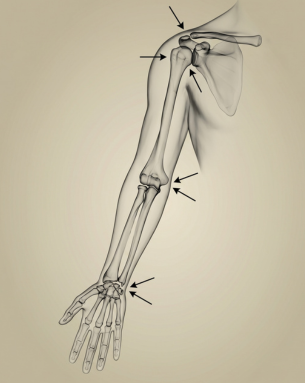
Shoulder arthroscopy is an advanced minimally invasive procedure used to treat rotator cuff tears, shoulder instability, labral injuries, frozen shoulder, impingement syndrome, and sports-related shoulder conditions. The procedure allows precise diagnosis and treatment with minimal disruption to surrounding tissues. Benefits include less postoperative pain, reduced scarring, shorter hospital stay, faster rehabilitation, improved shoulder mobility, and quicker return to routine activities and sports performance.
ACL reconstruction surgery is recommended when the anterior cruciate ligament is completely torn or when knee instability affects daily activities, sports participation, or functional performance. Athletes and active individuals commonly require ACL surgery to restore knee stability and prevent further cartilage or meniscus damage. Modern arthroscopic ACL reconstruction techniques help improve joint function, enhance recovery, and support safe return-to-sport rehabilitation with long-term knee preservation.
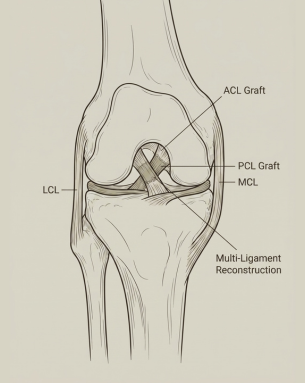
Multi-ligament reconstruction surgery is performed when two or more ligaments in the knee are injured due to severe trauma, sports injuries, or accidents. These complex injuries can significantly affect knee stability, movement, and long-term joint health. Advanced arthroscopic and reconstructive techniques are used to restore ligament function, improve knee biomechanics, and reduce the risk of chronic instability and early arthritis. Structured rehabilitation is essential for optimal recovery and functional restoration.
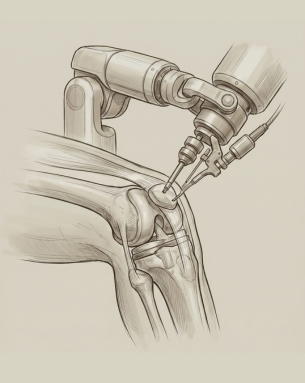
Robotic-assisted knee replacement is an advanced surgical technology that improves precision during joint replacement procedures. Robotic systems help surgeons accurately plan implant positioning, balance soft tissues, and customize the surgery according to the patient’s anatomy. This approach may improve implant alignment, reduce surgical errors, minimize tissue trauma, and support better functional outcomes. Patients often experience improved mobility, reduced postoperative discomfort, and enhanced recovery following robotic-assisted knee replacement surgery.
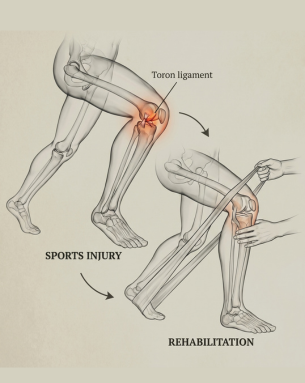
Sports injury rehabilitation is a structured recovery program designed to restore strength, flexibility, balance, endurance, and joint stability after injury or surgery. Rehabilitation plays a critical role in reducing pain, improving mobility, preventing re-injury, and supporting safe return to sports activities. Customized physiotherapy and sports rehabilitation programs help athletes and active individuals regain peak performance while ensuring proper healing of ligaments, muscles, tendons, and joints.
Joint preservation surgery focuses on protecting and restoring natural joint function while delaying or preventing the need for joint replacement surgery. These procedures are commonly recommended for younger or active patients with cartilage damage, ligament injuries, early arthritis, or joint instability. Techniques such as osteotomy, cartilage restoration, ligament reconstruction, and minimally invasive arthroscopy help maintain joint health, improve mobility, reduce pain, and preserve long-term function.
You should consult a sports medicine specialist if you experience persistent joint pain, swelling, instability, reduced mobility, sports injuries, ligament tears, recurrent shoulder dislocations, or difficulty returning to physical activity after an injury. Early evaluation and timely treatment can prevent worsening of injuries and long-term joint damage. Sports medicine specialists provide advanced diagnosis, minimally invasive treatments, rehabilitation planning, and performance-focused recovery strategies tailored to each patient’s lifestyle and activity level.
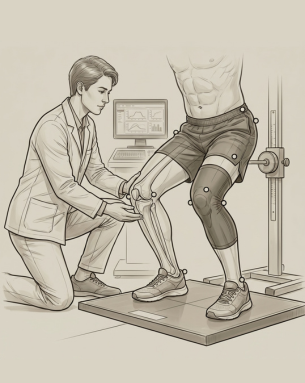
Return-to-sport evaluation is a comprehensive assessment performed after injury or surgery to determine whether an individual can safely resume athletic activities. It includes evaluation of strength, flexibility, joint stability, balance, movement mechanics, endurance, and functional performance. This process helps reduce the risk of re-injury and ensures complete physical readiness before returning to sports. Structured return-to-sport protocols are especially important following ACL reconstruction, shoulder instability surgery, and major sports injuries.
Minimally invasive orthopaedic surgery involves advanced techniques using smaller incisions, specialized instruments, and arthroscopic technology to treat joint and ligament conditions. Compared to traditional open surgery, minimally invasive procedures typically result in less tissue damage, reduced postoperative pain, shorter hospitalization, faster rehabilitation, quicker return to work or sports, and improved cosmetic outcomes. These techniques are widely used in arthroscopy, ligament reconstruction, and selected joint preservation procedures.
Dr. Pawan Kumar Chajed is an internationally trained orthopaedic surgeon, arthroscopy specialist, and sports medicine specialist with extensive fellowship training across leading NHS institutions in the United Kingdom. His expertise includes knee and shoulder arthroscopy, ACL and multi-ligament reconstruction, robotic-assisted knee replacement, sports injury management, and advanced rehabilitation strategies. He is committed to delivering evidence-based, precision-focused, and patient-centered orthopaedic care aimed at restoring mobility, function, and long-term musculoskeletal health.
 Address :SPARSH Hospital, Hennur — DivyaSree Avance, Hennur Bagalur Main Rd, Chikkanna Layout, HBR Layout, Geddalahalli, Bengaluru 560043, Karnataka Address :Zion Hospitals — 83/1, 2nd Cross Road, Kammanahalli Main Rd, behind Doctors Diagnostic Centre, Keerthi Layout, St Thomas Town, Bengaluru 560084, Karnataka